Why Do Peelers and Shredders Lose Their Performance Over Time?
A peeler that doesn’t glide as smoothly or a shredder that feels less effective after months of use can be frustrating. Many people immediately assume the stainless steel is poor quality, but that’s usually not the case.
More often than not, it’s not just about how often you use your peeler or shredder, it’s also about how you clean and store it after each use.
Daily Use Isn't the Only Factor
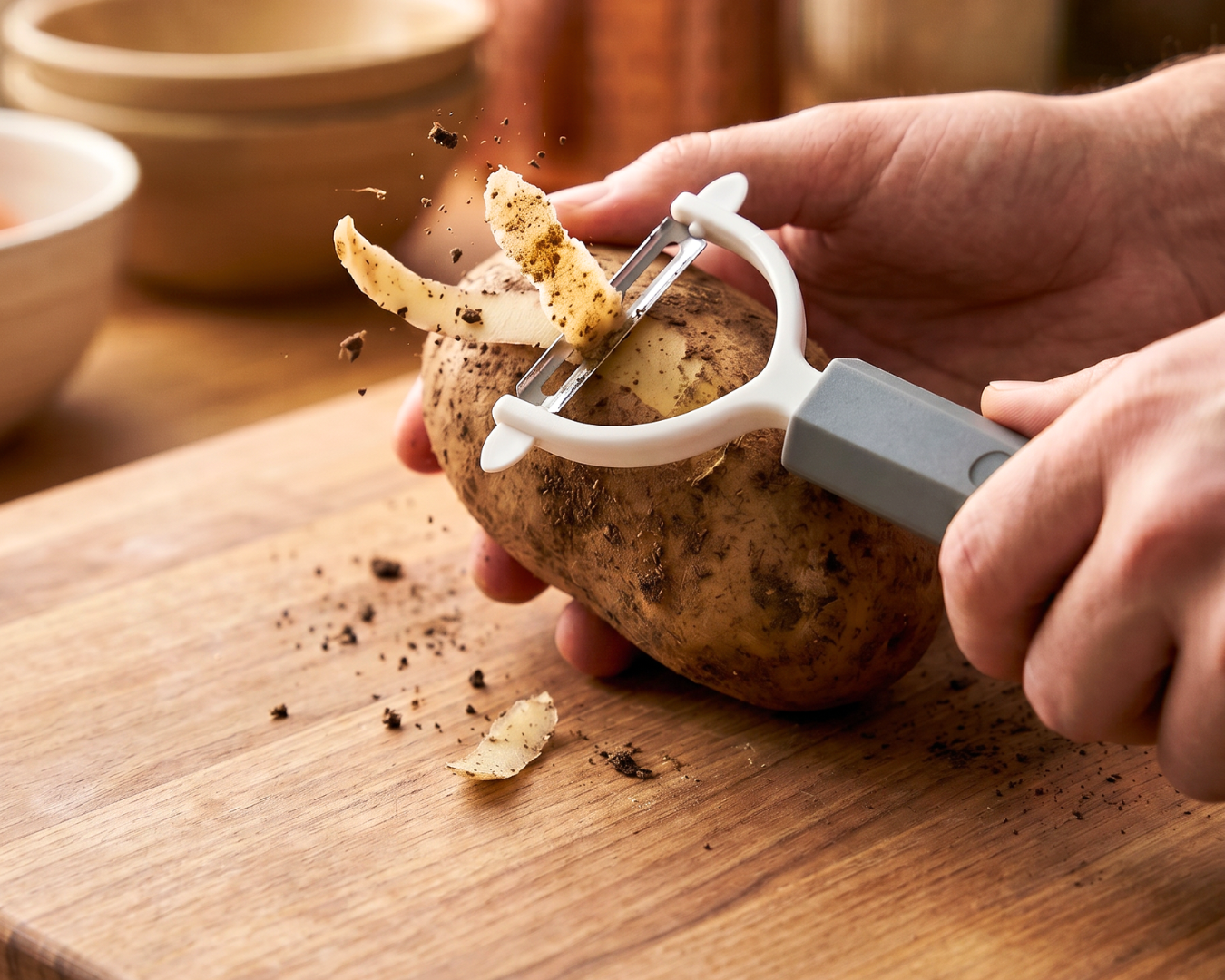
Every time you peel potatoes, carrots, cucumbers, or shred vegetables and cheese, the blade comes into contact with moisture, food fibres, starch, and natural acids. While stainless steel is highly durable, these substances shouldn’t be left sitting on the blade for long periods.
In Malaysia’s warm and humid climate, microscopic moisture can remain on metal surfaces longer than expected. When water, oxygen, and leftover food residue stay on the blade, oxidation can gradually occur over time. This may dull the cutting edge, affect the blade’s surface, and reduce cutting performance.
Certain acidic ingredients such as lime, pineapple, and tomatoes can also contribute to gradual surface wear if their residue isn’t cleaned away promptly. Shredders are especially prone to this because tiny food fibres can become trapped between the sharp teeth, making them harder to remove during a quick rinse.
The good news? This doesn’t necessarily mean your kitchen tool is made from poor-quality steel. Even premium stainless steel performs best when it’s properly maintained.
Lorem ipsum dolor sit amet, consectetur adipiscing elit. Ut elit tellus, luctus nec ullamcorper mattis, pulvinar dapibus leo.
Every time you peel potatoes, carrots, cucumbers, or shred vegetables and cheese, the blade comes into contact with moisture, food fibres, starch, and natural acids. While stainless steel is highly durable, these substances shouldn’t be left sitting on the blade for long periods.
In Malaysia’s warm and humid climate, microscopic moisture can remain on metal surfaces longer than expected. When water, oxygen, and leftover food residue stay on the blade, oxidation can gradually occur over time. This may dull the cutting edge, affect the blade’s surface, and reduce cutting performance.
Certain acidic ingredients such as lime, pineapple, and tomatoes can also contribute to gradual surface wear if their residue isn’t cleaned away promptly. Shredders are especially prone to this because tiny food fibres can become trapped between the sharp teeth, making them harder to remove during a quick rinse.
The good news? This doesn’t necessarily mean your kitchen tool is made from poor-quality steel. Even premium stainless steel performs best when it’s properly maintained.
Simple Habits That Help Your Tools Last Longer
A few small care habits can make a noticeable difference:
✔ Rinse immediately after use to remove food residue.
✔ Use a soft brush to clean between the blades or shredding teeth.
✔ Dry thoroughly with a cloth or allow it to air-dry completely before storing.
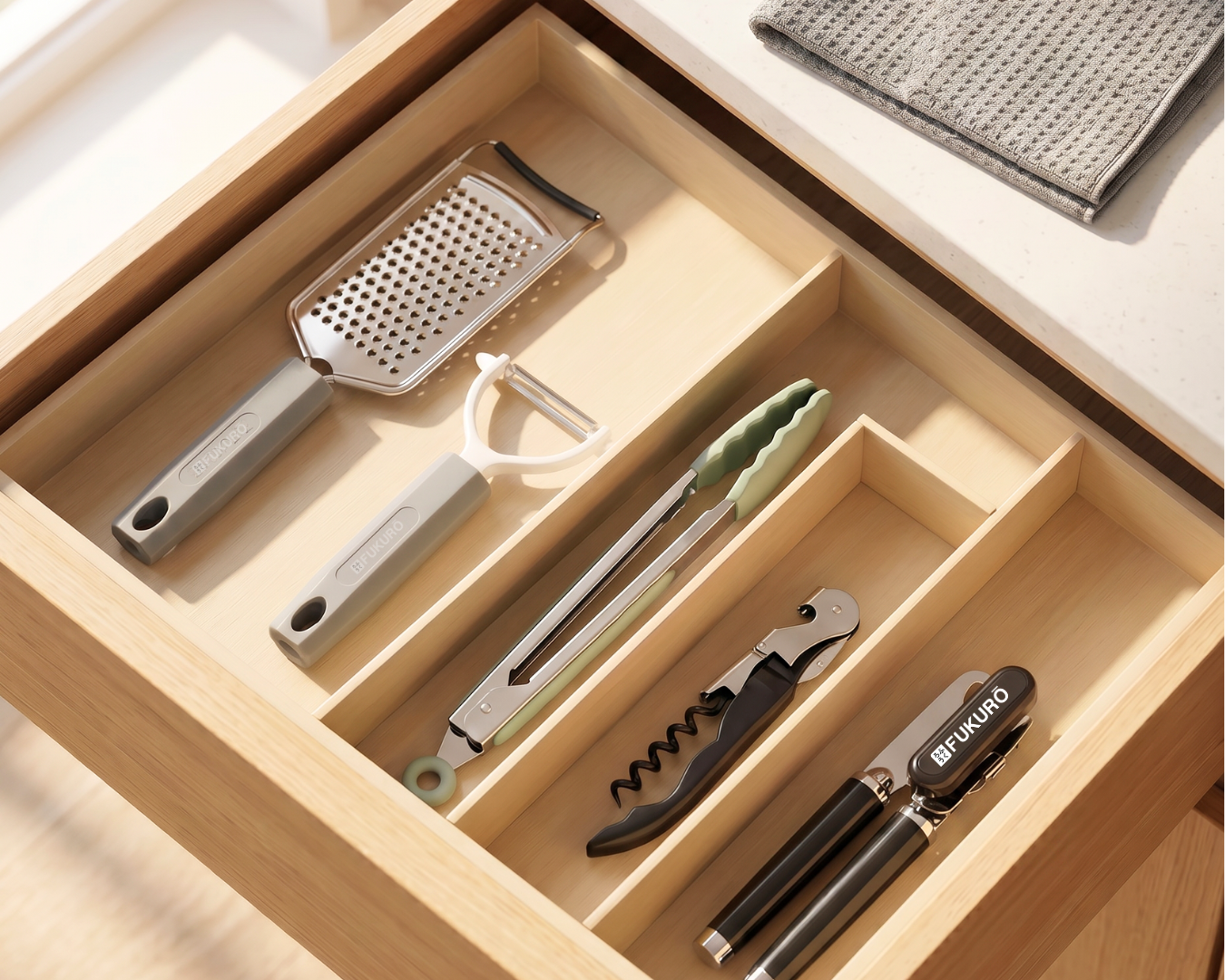
✔ Store in a clean, dry place instead of leaving it damp in the sink or utensil holder.
A Little Care Goes a Long Way
Peelers and shredders are everyday kitchen essentials, and like any cutting tool, their performance depends on both the quality of the material and how they’re cared for.
With proper cleaning and storage, they’ll stay smoother, sharper, and ready to make food preparation easier for much longer.
Small care habits today help your kitchen tools perform better tomorrow.