Fukuro Malaysia

FREQUENTLY ASKED QUESTION (FAQ)
kitchen utensils
Are Fukuro ProSilicone utensils safe for cooking?
Yes, all Fukuro ProSilicone utensils are made from FDA-approved, BPA-free materials and are safe for contact with food. They remain stable at normal cooking temperatures and do not release harmful substances.
What temperature can silicone utensils withstand?
Fukuro ProSilicone utensils can withstand heat up to 260°C/ 500°F, making them suitable for everyday cooking, stirring, and frying. They should not be exposed to high heat for prolonged periods, as excessive heat may cause warping or bubbling over time.
How do I choose the right utensil material for my cookware?
Silicone and beechwood are ideal for non-stick cookware, while stainless steel is better suited for high-heat and heavy-duty cooking.
Will silicone utensils melt during cooking?
No, good-quality silicone utensils will not melt under normal cooking conditions. However, they are not suitable for prolonged exposure to very high heat, as extended heat contact may cause warping or bubbling over time. Melting only occurs if exposed directly to open flames or extreme heat beyond their rating.
Are stainless steel utensils safe to use with food?
Yes, stainless steel is food-safe, non-reactive, and widely used in professional kitchens. It does not absorb odors, colors, or bacteria.
Can silicone utensils be used with non-stick cookware?
Yes, silicone utensils are ideal for non-stick cookware. They prevent scratches and help extend the lifespan of non-stick coatings.
Can I use stainless steel utensils on non-stick pans?
No. Stainless steel utensils can scratch or damage non-stick coatings over time, which may reduce the pan’s performance and lifespan. For non-stick cookware, silicone or wooden utensils are a safer choice.
Are silicone utensils durable for daily use?
Yes, quality silicone utensils are designed for repeated daily use. They do not crack, chip, or corrode like some plastics.
Are Fukuro utensils dishwasher-safe?
Silicone and stainless steel utensils are generally dishwasher-safe. Beechwood utensils should be hand-washed only.
How should I clean beechwood utensils?
Wash with mild soap and water, then dry immediately. Avoid soaking or leaving them wet for long periods.
Are silicone utensils suitable for stir-frying?
Yes, silicone utensils are suitable for everyday stir-frying and general cooking. To maintain their shape and performance, it is recommended not to leave silicone utensils resting inside hot cookware for prolonged periods. For deep-frying or extended high-heat use, stainless steel utensils are recommended.
Will beechwood utensils burn or scorch?
Beechwood utensils will not burn during normal stirring or cooking. Prolonged direct contact with high heat may cause natural darkening over time, which is purely cosmetic and does not affect food safety or health.
Do beechwood utensils absorb food odors or stains?
Beechwood has a tight grain that resists odor absorption better than softer woods. Proper cleaning and drying help keep it fresh.
Can beechwood utensils crack easily?
No. Cracks usually occur only if the utensil is soaked in water or not dried properly.
Will my stainless steel utensils rust?
Stainless steel utensils will not rust under normal kitchen use. However, rust may occur if they are left wet for long periods or exposed to harsh conditions, so drying them after washing helps maintain their quality.
How do I know when to replace a utensil?
Replace utensils if they crack, warp, or lose structural integrity.
Do different stainless steel grades really make a difference?
Yes, there are different grades of stainless steel, and they are used for different kitchen purposes. The main difference lies in corrosion resistance, strength, and suitability for cooking or food contact which directly affects performance and durability.
Is the stainless steel used by Fukuro food-safe?
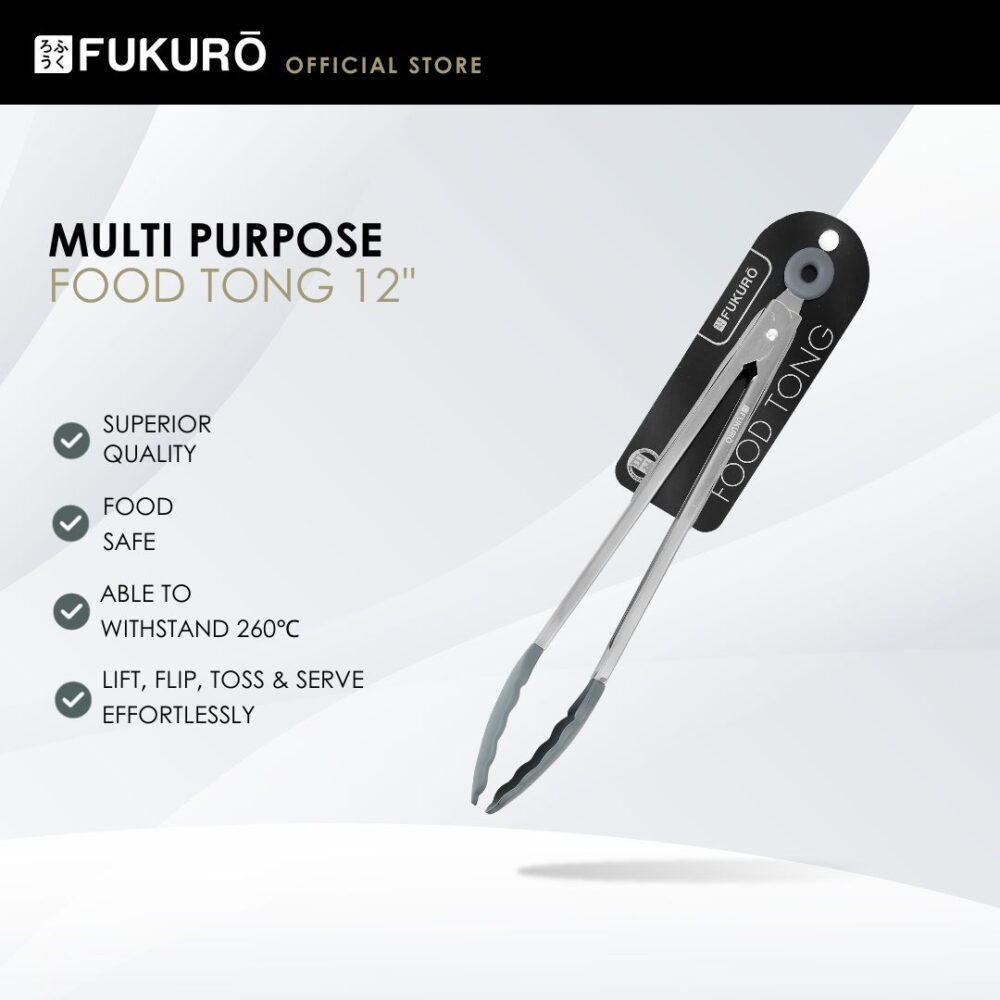
Yes, all stainless steel used in Fukuro products is food-grade and suitable for contact with food when used as intended. Utensils such as strainers and skimmers are made from SS201 stainless steel, a commonly used grade with good corrosion resistance for non-direct-heat kitchen tools, while soup ladles, potato mashers, steam racks, and food tongs are made from SS430 stainless steel, which offers higher corrosion resistance and durability for everyday cooking use.
Why don’t all kitchen products use SS 304?
SS 304 (also known as 18/8 stainless steel) is more expensive and not necessary for all applications. Different kitchen tools perform better with different steel grades.