When choosing cookware, many people focus on the pot or pan itself, but the type of stove you use also affects how food cooks. One common question is whether gas stoves or ceramic stoves perform better in the kitchen.
The truth is, both can deliver excellent cooking results. It really depends on your cooking style, heat preference, and the type of dishes you prepare most often. The good news is that modern cookware like Fukuro is designed to perform reliably across both stove types, giving home cooks flexibility no matter their kitchen setup.
From quick weekday stir-fries to slow weekend stews, both gas and ceramic stoves have their own strengths.
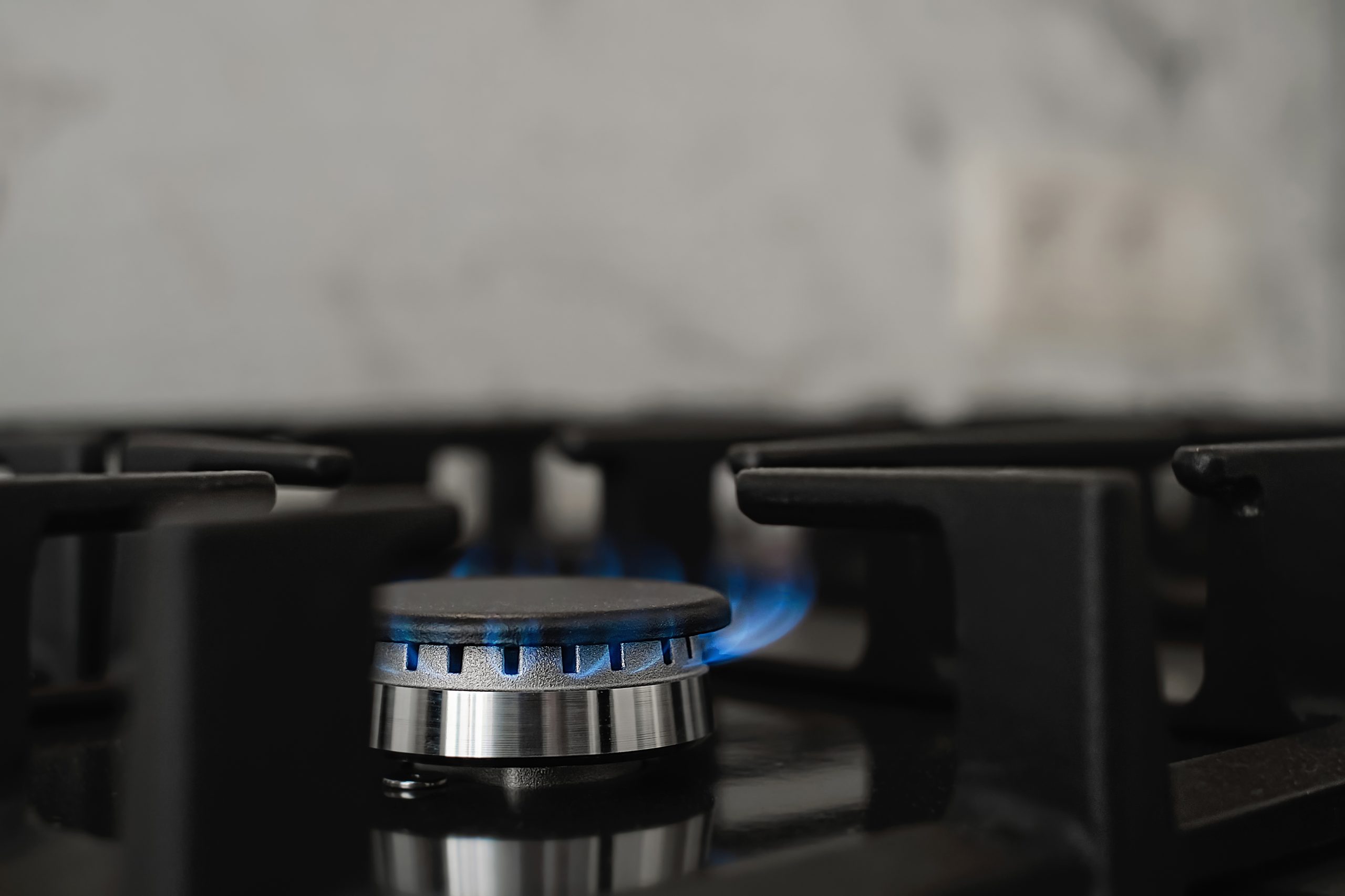
Gas Stove: Quick & Flexible
Gas stoves are popular because they provide instant heat control. The moment you increase or lower the flame, the temperature changes immediately. This gives cooks better responsiveness during cooking, especially when handling high-heat recipes.
Gas cooking is especially useful for:
Stir-frying vegetables
Searing meats
Flash cooking
Fast everyday meals
Gas stoves are popular because they provide instant heat control. The moment you increase or lower the flame, the temperature changes immediately. This gives cooks better responsiveness during cooking, especially when handling high-heat recipes.
Gas cooking is especially useful for:
Stir-frying vegetables
Searing meats
Flash cooking
Fast everyday meals
The open flame also makes it easier to achieve the high temperatures needed for wok cooking. This is why many home cooks and professional kitchens still prefer gas for quick, intense cooking methods.
Fukuro‘s woks and fry pans pair especially well with gas stoves because they heat up quickly and respond smoothly to rapid temperature adjustments. This helps maintain better cooking control while keeping food evenly cooked.
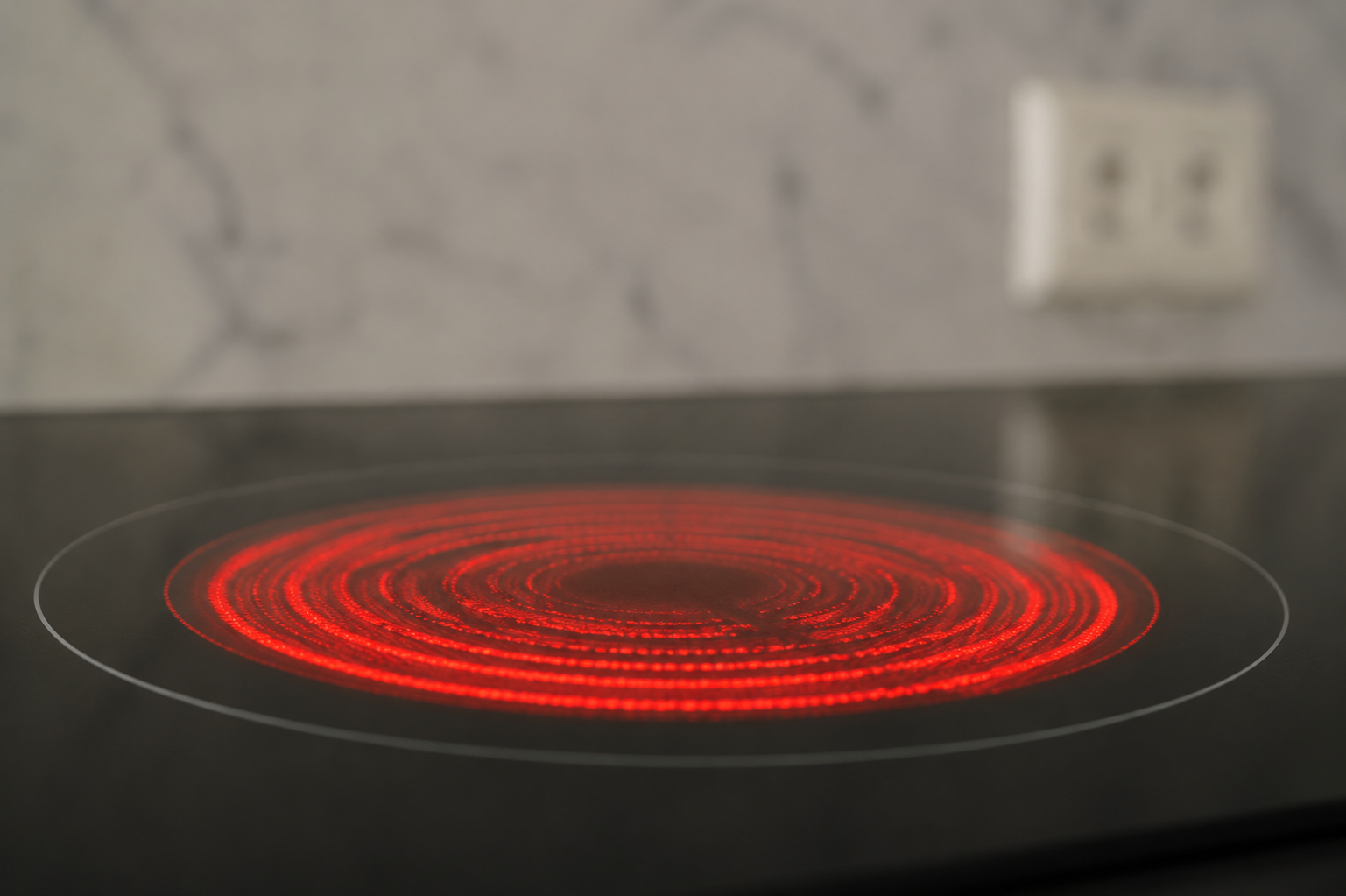
Ceramic Stove: Steady & Even
Ceramic stoves work differently from gas stoves. Instead of direct flames, they rely on a heated surface that transfers heat steadily into the cookware.
Because of this, ceramic stoves are known for:
Stable temperatures
Even heating across the cookware base
Better consistency for longer cooking
This makes ceramic stoves ideal for:
Soups
Stews
Simmering sauces
Braising
Slow cooking recipes
Ceramic stoves work differently from gas stoves. Instead of direct flames, they rely on a heated surface that transfers heat steadily into the cookware.
Because of this, ceramic stoves are known for:
Stable temperatures
Even heating across the cookware base
Better consistency for longer cooking
This makes ceramic stoves ideal for:
Soups
Stews
Simmering sauces
Braising
Slow cooking recipes
Many home cooks enjoy ceramic stoves because they provide a cleaner kitchen appearance and more controlled cooking environment. The steady heat helps reduce sudden temperature spikes, which can be useful for delicate dishes that require patience and consistency.
Fukuro’s Yuga and Hoshi cookware series are especially suitable for ceramic stoves because their construction supports even heat distribution and longer cooking durations.
Does One Actually Cook Better?
Not necessarily. Both stove types can produce delicious meals when paired with the right cookware and cooking method.
Gas stoves offer speed, flexibility, and powerful heat response, while ceramic stoves provide stable, controlled, and even cooking performance.
In reality, the “better” option depends more on:
Your cooking habits
The dishes you cook most often
Your preferred heat control style
Your kitchen setup
Some families even enjoy using both for different cooking situations.